
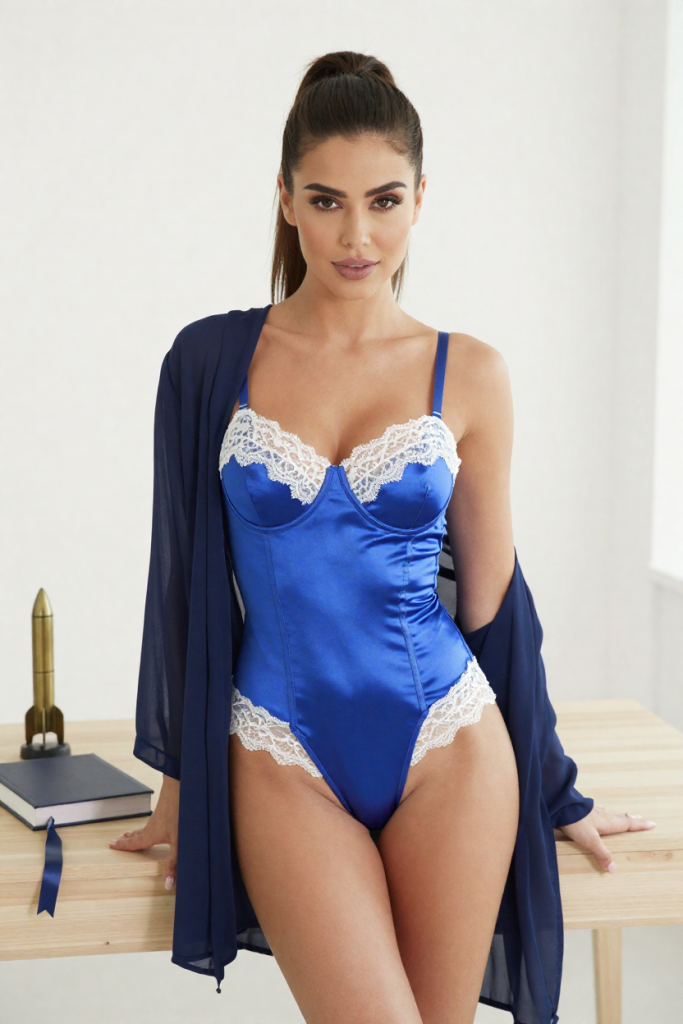
There is a small brass rocket standing on this studio’s desk, and it is there as a discipline, not a decoration. Nothing in this room is generated on impulse: a frame is a small launch, it costs credits, and it deserves the thirty seconds a checklist takes. Five checks, in order, before the button. Members who adopt them watch their cull rate — and their finishing bill — fall within a fortnight.
Card pasted whole?
The rocket card, all five lines, copied — not retyped from memory. Retyping is where drift boards the flight.
Changing line changed once?
Outfit, setting or light — one of them new, the other two held. Three novelties is a new series, not a new frame.
Cost known?
Standard 6, premium 41, edit 21, swap 26, upscale 61 or 101 — the price is shown before every job; read it like an instrument.
Consent basis clear?
For uploads and transformations: fictional, or documented consent from the adult concerned. No basis, no launch.
Judge booked?
Decide before generating how the frame will be judged: card first, light second, novelty last. A frame with no judging plan becomes a frame kept by default.
Why checklists survive enthusiasm
Every failed set in this studio’s history failed the same way: not in the model, but in a skipped half-minute before the job. The card was half-remembered, the change was three changes, the price was a surprise. Checklists are unglamorous precisely because they work on unglamorous failures. The brass rocket just makes the routine visible — and gives the desk its one pointed object.
Questions
Is this overkill for a 6-credit frame?
The checklist takes thirty seconds and the frame is free daily via check-in. The expensive failures are in finishing, where the same habits protect 61- and 101-credit jobs.
What is the most skipped check?
The first. Pasting the card whole feels redundant right up to the frame where she comes back as her own cousin.
Can the checklist live in the prompt?
Yes — many members keep the five checks as comments above their saved prompts. Out of sight is out of routine.